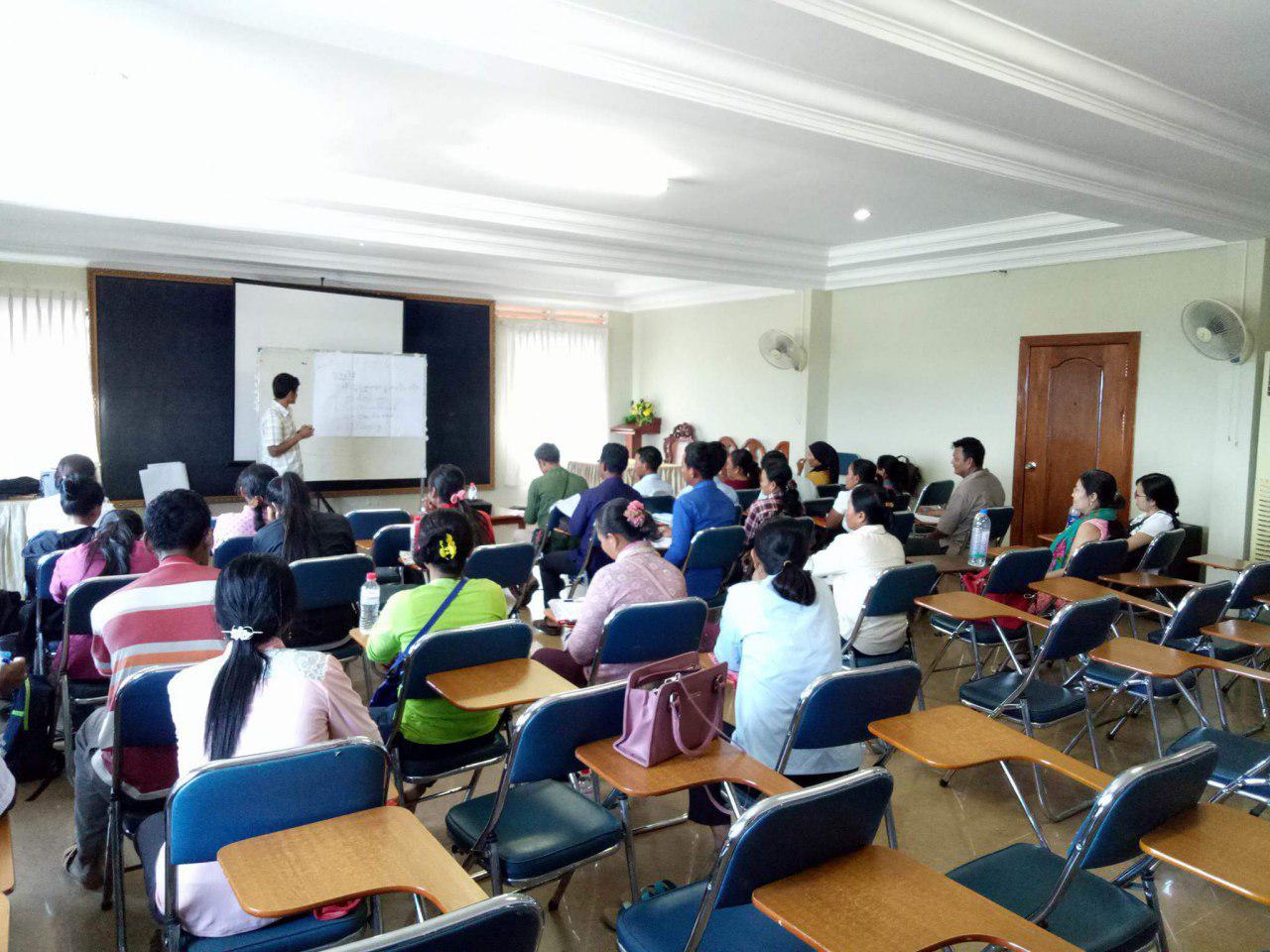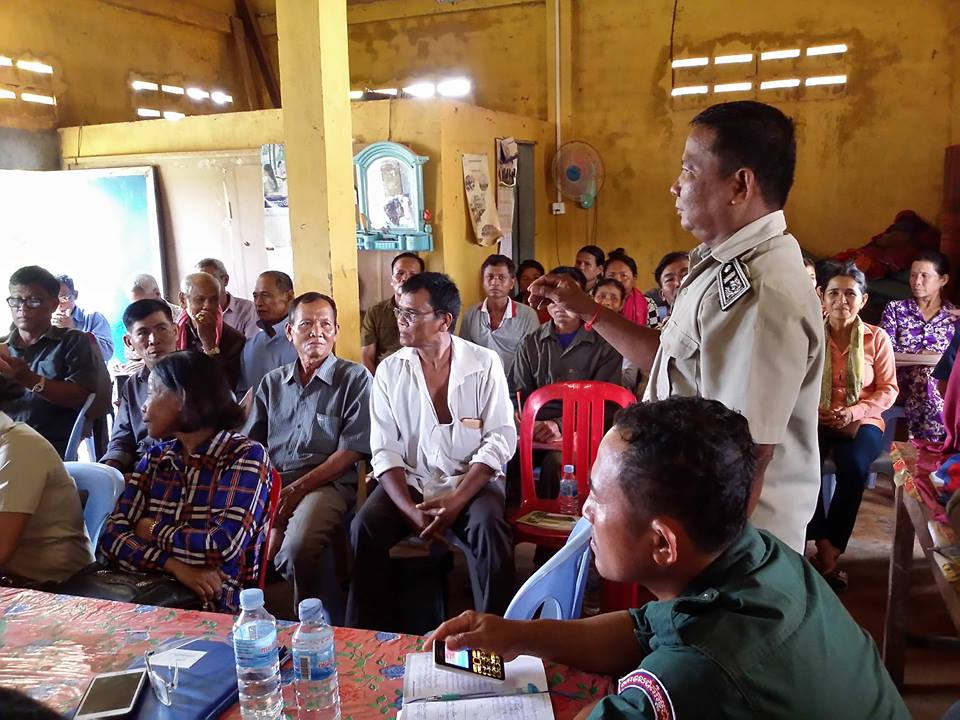
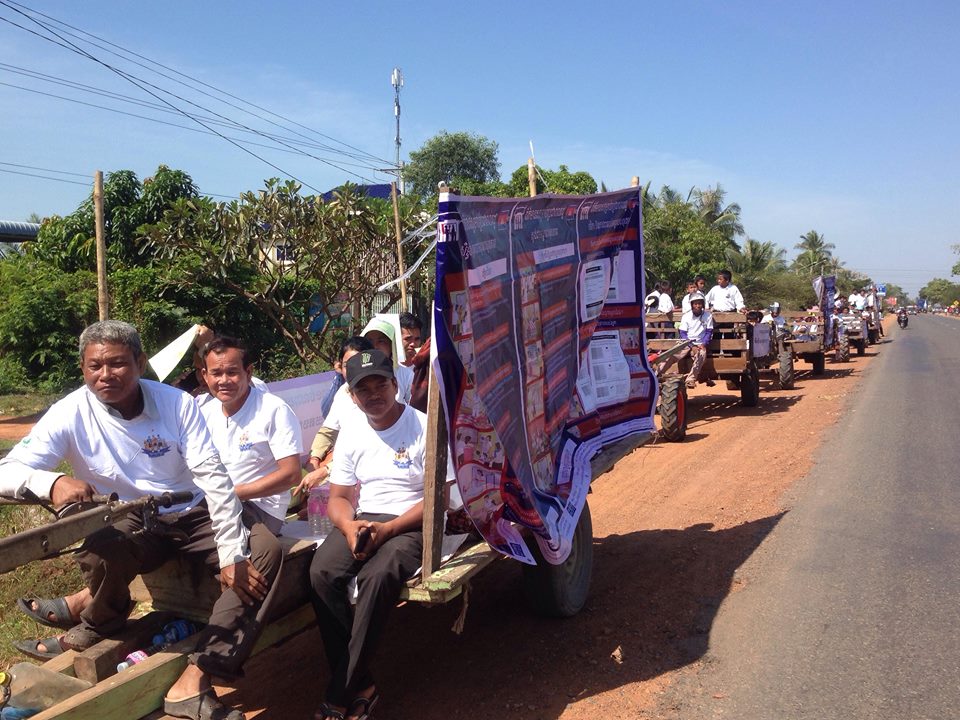
Good Governance for Better Public Service (GBPS)’s overall goal is to reduce poverty through democratic, inclusive and equitable local governance and enabling more accessible and equitable public service delivery. To contribute to this goal, GBPS strives to enhance public service delivery by promoting behavioral change of the public service providers/supply site, which eventually holds them to be transparent and accountable to their citizens. The main activities of GBPS include:
- building capacity of local NGOs and the Community Accountability Facilitators (CAFs) on facilitation skills, women, youth & empowerment under the ISAF process
- producing and building capacity of CAFs and citizens on the use of Information for Citizens (I4C)
- enhancing budget literacy to CAFs and citizens
- building monitoring capacity of citizens on the use of the Community Score Cards (CSCs)
- creating Joint Accountability Action Plans (JAAP) including planning for collective actions
- monitoring the implementation of JAAP
- conducting outreach to local officials and service providers
- conducting awareness-raising on citizen monitoring
- selecting, conducting training, mentoring and coaching CAFs
- formulating learning strategy& action plan and conducting studies and documenting best practices
- organizing learning fora and collecting feedback for policy revision
- undertaking monitoring and evaluation and discussing the bi-annual policy review.
Furthermore, through Czech Embassy, GBPS also provides assistance in improving education services such as building schools, libraries, toilets, and drinking water facilities to Romeas Hek district and Tontey primary schools of Svay Rieng province.
Through implementing the above programme and activities, SK is known as an organization that has long and proven capacity and experience in I-SAF. SK has engaged in I-SAF in 2009 and then from 2016 until the present. Thus, in total, SK has more than 5 years of experience in I-SAF.
From 2016 until the present, and with the financial support from Oxfam Cambodia, SPIDER and UNICEF, GBPS was and has been implementing 4 projects: 1) Finance for Development to Quality of Social Service (F4D); 2) Improving the Delivery of Social Service through the Use of Information and Communication Technology (ICT); 3) Active Youth Engagement in Local Planning for Better Service from Supply Side, and 4) Capacity Development on Commune Social Service Expenditure for SNA. These mentioned projects generally aim at promoting good governance through applying I-SAF and social accountability tool to improve local public service delivery on health, education, and administration. The actions of these projects have engaged citizens (women, youth, people with disabilities, and ethnic minorities) in local planning and budgeting process, monitoring the service delivery of the service providers by using Citizens Score Cards (CSCs), and built capacity of the commune councils on commune social service expenditure guideline and relevant guidelines for sub-national administration, particularly commune administration. These projects target: 1) Phnom Penh, 2) Banteay Meanchey, 3) Pursat, 4) Svay Rieng, 5) Battambang, 6) Siem Reap, 7) Prah Sihanouk, and 8) Kandal provinces.
In addition, GBPS would like to highlight the main achievements as a result of I-SAF implementation, as follows:
- The supply-side has respected the working hours of their offices and changed their attitude and behavior toward citizens, for example they are more friendly and responsive to the needs of the people and communities
- There is no more extra charge for commune administrative service. The actual fees and duration of each service are fixed, set by the government, and posted on notice boards. This has led to prompt delivery of services.
- Cooperation between demand side and supply side has improved.
- Trust between demand and supply sides has improved
- Knowledge of CAFs have improved and some were selected to be the members of local authorities
- SK staff capacity on ISAF is recognized by the relevant authorities and MoI.
Worth noting is the appreciation by target groups/citizens on our effective project implementation, posted in the website of one of our key donors, Oxfam Cambodia: “I personally felt the change in our health centre since the Implementing the Social Accountability Framework (ISAF) began, Soeurng Rachany… I observed that more medicines are available, more nurses come to work, and most of all sanitation in the center has been improved. I think this was the result of I-SAF.”
The post continues that “The community scorecard is a tool used in the implementation of the Social Accountability Framework in Cambodia. It is a citizen-driven accountability measure for the assessment, planning, monitoring and evaluation of service deliveries. It provides citizens with the opportunity to provide feedback and improve service deliveries corresponding to their needs.”
Furthermore, Mr. Chet Kimchung, Deputy of the Entity of Monitoring, Evaluation, and Information of NCDD, during in the Reflection Workshop on I-SAF, conducted by SK in Svay Rieng Province on December 27, 2019, highlighted that CAFs, trained by this program, have capacity and are active to perform their job in promoting public service in the two target districts of SK. He also highly appreciated the good cooperation of the local authorities with SK in implementing the I-SAF”.
Last but not least, through the implementation of these projects, GBPS gained good experience working in partnership with the Royal Government‘s institutions such as National Assembly, Ministry of Interior (MOI), Ministry of Land Management, Urban Planning and Construction (MLMUPC), Ministry of Economic and Finance (MoEF), national and provincial departments, NCDD, Department of Land Cadastral of MLMUPC, Commune Councils and local authorities). SK management and staff also actively participate in the Partnership Steering Committee (PSC), which is under the coordination of World Vision (I-SAF, demand side). PSC enables the dialogue and discussion on challenges in applying governance policy and I-SAF. SK is recognized as one among I-SAF organizational implementers, including WVI-C, CARE, RACHA, and Save the Children.
Based on its experience and knowledge of the problems at the ground that need to be addressed, GBPS is planning to expand the I-SAF project to new 12 Sangkats and 46 communes in new 6 districts/krongs (1. Bavet, 2. Kampong Rou, 3. Rumduol, 4. Svay Chrum, 5. Svay Rieng, 6. Svay Teab) of Svay Rieng Provinces as mentioned in the call. We can say other words that SK will work in 58 Sangkats and communes in 6 districts/krongs of Svay Rieng Province. It is important to be noted that SK is currently implementing its I-SAF project at Chantrea and Remeas Haek Districts in 18 communes. SK is planning to build a provincial branch office in Svay Rieng province this year, following its provincial brand offices in Kampong Chhnang and Pursat province.
Based on the consultations, GBPS has found that in the expanded districts, there are still many issues. For examples, in provision of administrative services: delay of service delivery, extra charges on the services, unfriendly behavior to the citizens of the supply side/service providers, people have limited access to information, people do not know about good governance and social accountability; on health service: limited access of women to the health care due to low quality and poor health service, lack of medicines; on education, there is not enough teachers- most teachers are working in the town rather than the rural areas, lack of scholarship and libraries for the students, lack of appropriate latrines and clean drinking water for students, especially for female and students with disabilities, etc.