STAR Kampuchea (SK) is a Cambodian non-profit and non-partisan organization. It was established and officially recognized by the Ministry of Interior (MoI) on August 1, 1997. Since its inception, SK is dedicated to building democracy by strengthening civil society. In 2014, STAR Kampuchea was honored with an award for Civil Society Development by the “World Association of NGOs (WANGO), based in Washington D.C, USA.
In recent years, SK shifted its strategy from working with local NGOs to direct support for target communities, which are suffering from natural resource conflicts like land grabbing and land rights abuses. Through capacity building and legal services, SK has become a unique NGO, which is able to empower the target communities to be dynamic and synergic to claim their equal rights to the sustainable management of natural resources.
SK has received and used to receive funds from BfdW/EED, Forum Syd, ILC, DCA, Oxfam GB, Oxfam HK, Oxfam Novib, TAF, WB, RDE, NPA, ZFD, ANGOC, ANSA-EAP, British Embassy, CIVICUS, DPA, Netherland Embassy, PACT, ARC, EWM-I, SEACA, and CIDA.
Currently SK has three main programs: 1) Good Governance for Better Public Services (GBPS), 2. Sustainable Natural Resource Management and Climate Change (SNC), and 3) SK’s Income Generation (SIC).
1. Good Governance for Better Public Services (GBPS)
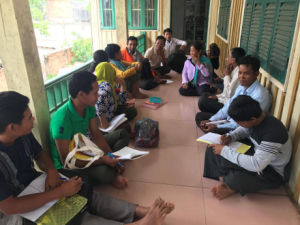 GBPS operates at both the grassroots, and national levels. GBPS conducts studies and research, creates platforms for dialogues about its findings with decision-makers and stakeholders; and shares findings through workshops, mass media, and online. Additionally, GBPS acts as a mediator who takes the issues and problems intractable at the grassroots to discuss with policy- makers, government leaders, the donor community, and other stakeholders at the national, regional, and international levels. GBPS also plays an important role to strengthen the state and investors to comply with regulations and laws related to Social Land Concessions (SLCs),
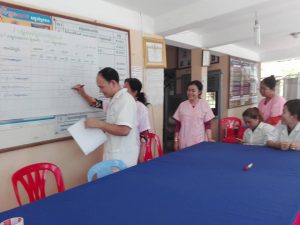 Economic Land Concessions (ELCs), land rights, and right to access natural resources, especially for women, and marginalized groups such as ethnic minorities, people with disabilities, and those from the LGBTI community. At the grassroots level, GBPS works to change the behavior of the public officers in order to increase transparency, accountability, timely democratic public service delivery.
2. Sustainable Natural Resource Management and Climate Change (SNC)
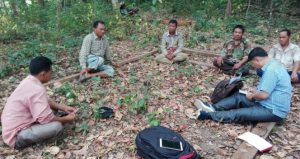 SNC builds capacity through providing technical support, and empowering fishery, forestry, and communities suffering from land conflicts to claim their rights to access, manage, and sustainably use their natural resources through official registration; allowing for the full benefits of improved livelihood derived from official registration. SNC additionally provides lawyers to represent communities in court, as well as providing affected communities and families with psychological help through social community support. Through training, such as Climate Change Adaption, Climate Change Resilience, and Disaster Risk Reduction (DRR), SNC is able to empower communities to apply knowledge to challenges faced. It also provides communities with increased capacity to advocate for inclusion of Climate Change in the Communal Investment Plans (CIPs).
SK’s Income Generation (SIC)
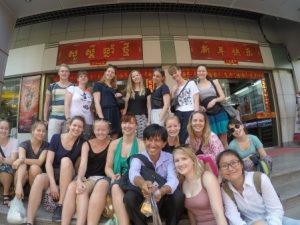 SIC aims at generating income to contribute to the funds from SK’s donors to above mentioned two programs, through service-charge from foreign volunteers. Under this program there is two units: 1) Volunteer Action for Cambodia (VAC), hosts and provides placements to hundreds of volunteers ever year like to enhance their intercultural and work experience, and 2) A Volunteer House, which accommodates these volunteers during their stay in Cambodia.
To learn about Volunteer Action for Cambodia please click the link: www.vaccambodia.org.kh
Target Groups
 Direct beneficiaries
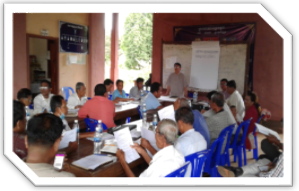
The target groups of SK are the poor, vulnerable and disadvantaged people, and land owners, who are marginalized by unclear, unfair and biased system and who suffer from land right and natural resource abuses and weak governance. The direct beneficiaries also include the commune councils, the village chiefs, the Community Accountability Facilitator (CAFs), the governors who direct benefits through participating in SK activities. The total direct beneficiaries are 78,057 people, 50% of them are women.
Indirect beneficiaries
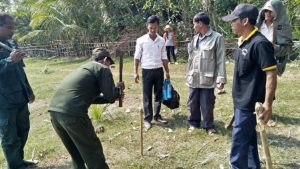
The indirect beneficiaries are those who will benefit from the action of SK in the long term at the level of society or sector at large. This means that the total population of the target areas is the indirect beneficiaries. The total population of the target areas are 156,115 of which 52,910 (33%) of them are women. These indirect target groups are expected to receive indirect benefits from SK’s project, for instance they can catch fish or collect NTFP at the fishery or fishery areas, and they might receive land tittle and social service as a result of the efforts of the direct beneficiaries.
Stakeholders
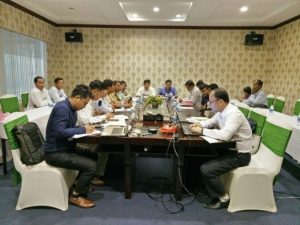
 SK Identifies stakeholders as the people or agencies with which it will need to cooperate for the successful implementationof its programs/projects. They include 1) Government institutions (Parliament, relevant ministries, provincial departments, and local authorities); 2) NGOs (international, regional, national and provincial and local); 3) Companies, especially those involved in land and other natural resource conflicts.
Cooperating Partners
Cooperating partners are NGOs or the local authorities that SK has signed MoU for a specific joint-project implementation at a specific target area.
Target Areas:
SK targets Phnom Penh and 6 provinces including 1) Kompong Chhnang (Tekphus and Rolear Ba’ir districts), 2) Pursat (Phnom Kravanh; Krokor, Vealveng, Talou Senchey, and Kandieng districts), 3) Banteay Meanchey (Malai and O chrov districts), 4) Battambang (Banan and Moung Ruessey districts), 5) Siem Reap (Banteay Srei and Sout Nikom districts), and 6) Svay Rieng (Romeas Haek and Chantrea districts).